.png)
.png)
.png)






How Much Does it Cost to Build a Daycare in Ontario?
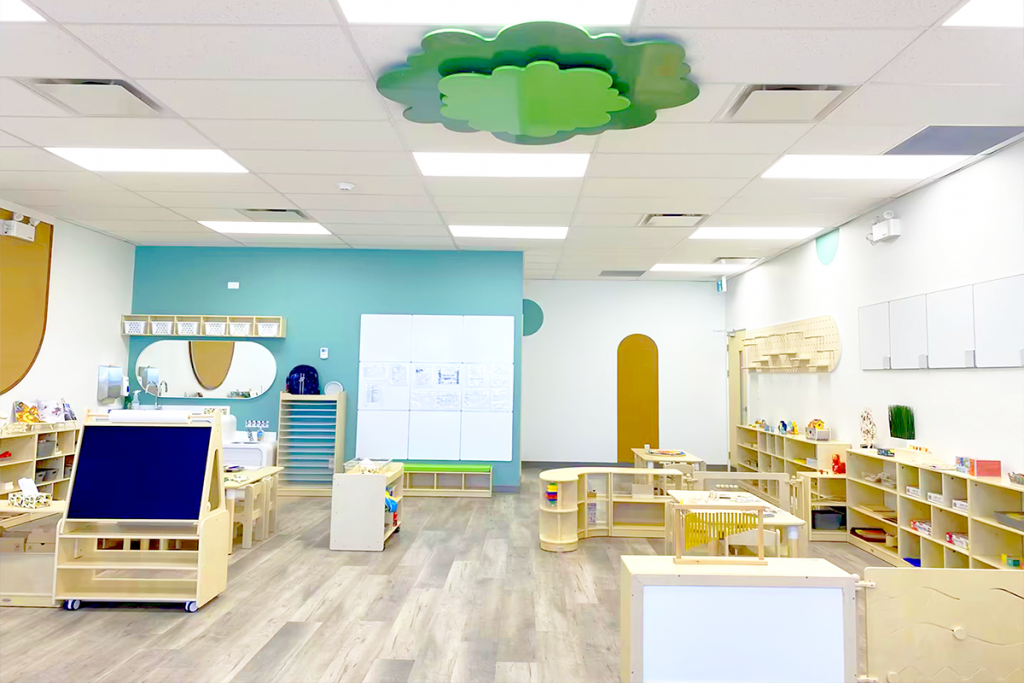
Constructing a daycare center in Canada involves creating a nurturing space for children while managing a substantial financial investment. For entrepreneurs and investors, this process requires a clear roadmap to navigate the diverse factors that influence construction costs across the nation.
Whether you are looking to build in Vancouver, Toronto, or a rural community, this guide explores the financial landscape of daycare construction, from per-square-foot estimates to the design intricacies that define a successful facility.
1. 2025 Cost Snapshot: What to Expect
Based on data from the Altus Group and current market trends, construction costs for daycare centers vary significantly by region. As of 2025, Hard Construction Costs typically range from $200 to $480 per square foot.
2025 Daycare Construction Cost Estimates
Based on Altus Group data and market trends. Costs represent Hard Construction Costs for standard daycare facilities (Class B/C fit-outs to standalone builds).
| City / Region | Cost Range (Low) | Cost Range (High) |
|---|---|---|
| Toronto (GTA) | $260 / sq ft | $460 / sq ft |
| Vancouver | $290 / sq ft | $480 / sq ft |
| Ottawa | $245 / sq ft | $410 / sq ft |
| Calgary & Edmonton | $230 / sq ft | $390 / sq ft |
| Montreal | $225 / sq ft | $375 / sq ft |
| Winnipeg | $210 / sq ft | $360 / sq ft |
| Halifax | $200 / sq ft | $350 / sq ft |
Note: These figures represent Hard Costs (materials and labor). Investors must also account for Soft Costs (permits, design fees, and legal), which can add 15–25% to the total project value.
2. Factors That Influence Daycare Center Construction Costs
The gap between the lower and higher ends of the cost spectrum is driven by several key variables:
Zeroing In on the Optimal Location
The geographic location of your daycare center is a pivotal factor. Urban areas tend to command higher costs due to elevated land prices, increased labor expenses, and stringent building codes. On the other hand, rural settings often present more budget-friendly options, though logistics and material delivery can sometimes offset these savings.
Scaling and Scoping the Project
The size and scope of your daycare center play a massive role in shaping your budget. Extensive facilities inherently require more materials, labor, and resources. While a design with spacious playrooms and innovative educational spaces is appealing, aligning your vision with your financial means is crucial.
Navigating Regulations and Permits
Daycares are highly regulated spaces. Different Canadian provinces and municipalities have varying building codes regarding fire safety, plumbing ratios, and egress. Allocating funds for permits, inspections, and regulatory compliance is crucial. Early engagement with local authorities can help you anticipate these expenses.
Material Selection
Choosing construction materials represents a crossroads of cost and quality. Opting for premium, durable materials (like commercial-grade vinyl flooring) increases initial costs but offers substantial long-term benefits through reduced maintenance.
Infrastructure and Site Preparations
The condition of your construction site has financial implications. Extensive groundwork such as land clearance, grading, and utility installations can elevate costs. Pre-evaluating the site’s existing infrastructure during the planning phase is essential to avoid surprise costs.
3. Finding the Right Location
Arguably the most important decision you’ll make is choosing the site. A genuine local need for childcare in the community is essential for your return on investment.
Do Your Research
Word-of-mouth is a good starting point. Investigate nearby schools and take a closer look at local businesses. Are there coffee shops for parents? Is there enough parking space for safe drop-offs?
Safe, Quiet, Easy Access
Daycare centers should be easy to spot; this saves money on marketing in the long run. Ideally, parents should be able to walk past it regularly. However, you must position the center away from loud street noises and traffic fumes to ensure a safe environment.
Natural Lighting
Choose an area that receives ample natural light. Kids are sensitive to their environment, and "sandwiching" a daycare between dark, looming buildings is not conducive to their well-being. Good natural light also reduces electricity costs.
Outdoor Space
Canadian regulations mandate specific outdoor play space per child. There must be room for kids to run and get fresh air. If your site doesn't naturally have this, constructing a secure outdoor play area or a rooftop playground in urban zones will be a necessary expense.
4. Designing the Floor Plan: Comfort and Safety
The design phase is where the vision comes to life. It requires balancing construction techniques with the essential needs of children and caregivers.
Comfort and Atmosphere
The design should be a delicate balance of being neither dull nor overstimulating. Think warm lighting, sound-baffling acoustic tiles to manage noise, and a mix of hard and soft surfaces.
Safety and Movement
Kids need freedom to move without obstacles. Padded floors or cushioned carpeting are essential for toddler development, allowing them to wobble and fall without risk of injury.
Inspiring Productivity
Set your facility up for success. Install lights on sensors to prevent children from getting stuck in the dark, and ensure bathrooms feature child-height faucets and toilets. Create cozy "retreat" areas for shy children who may need a quiet moment.
Routine and Predictability
Keep floor plans consistent. Predictability helps children maneuver themselves around the area with ease, helping them feel at home and allowing them to concentrate on learning.
5. Budgeting and Financing
Drafting the Budget
Once the wheels are in motion, writing up a detailed budget is your first plan of action. Always include a 10-15% contingency fund for change orders or unforeseen site conditions. Don’t let a tight budget prevent you from creating an inspiring space; instead, separate your list into "Needs" (regulatory/safety) and "Wants" (aesthetic upgrades).
Investing in Efficiency
Investments upfront can save you money in the long run. For example, high-quality insulated roofing and walls might seem expensive now, but they significantly reduce electrical heating costs over the life of the building.
Financing New Construction
If you don’t have the capital upfront to finance the land and construction yourself, a construction loan is the standard solution. Unlike a mortgage, you receive "advancements" (draws) for each phase of the project and only pay interest on what you borrow. Additionally, look into government grants and community funding available for childcare startups in your province.
Conclusion: Choosing the Right Contractor
Building a daycare center necessitates meticulous planning, thorough research, and a well-defined financial strategy.
To ensure success, you need to find a construction contractor who understands the specific legislation of the childcare industry. You need a partner who can manage your priorities balancing safety standards with your budget. Opt for established, credible contractors who can keep the project rolling efficiently, helping you develop a facility that delivers a long-lasting return on investment and a positive impact on your community.
Ready to start your project? Contact HKC Construction today for a consultation.
Start Your Project Inquiry
Ready to bring your vision to life? Fill out the form with details about your project. Our experts will review your inquiry and contact you to schedule a free consultation.
+1 (905) 565-1220
info@hkcconstruction.com
5715 McAdam Rd, Mississauga, ON L4Z 1N9
Inquiry Sent!
We have received your project details. An HKC specialist will contact you shortly.
