.png)
.png)
.png)






Building a Wind Tower Manufacturing Plant in Ontario
A Practical Guide for Land, Building & Storage Design
Ontario is rapidly becoming a hub for clean energy and advanced manufacturing. Large-scale wind projects such as the 200‑megawatt Melancthon wind facility with 133 turbines show how strongly the province has committed to wind power generation. At the same time, the federal Clean Technology Manufacturing Investment Tax Credit (CTM ITC) now offers up to a 30% refundable credit on eligible equipment for clean‑technology manufacturing from 2024 to 2034.For investors and manufacturers, this is the perfect moment to plan new wind tower production plants and other specialized manufacturing facilities in and around Mississauga, Brampton, Caledon, Oakville, Guelph and throughout Ontario.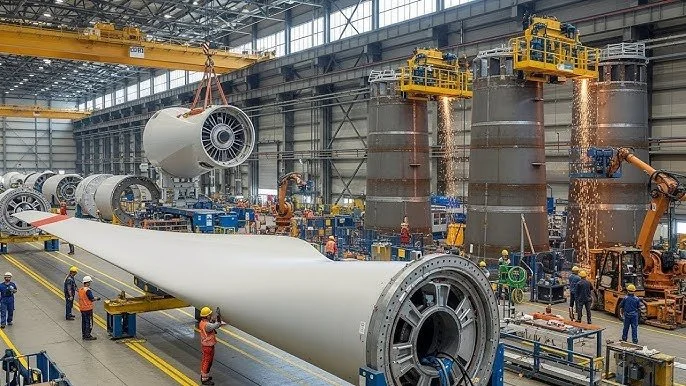
This article explains, in practical terms:What kind of land and building shell a wind tower manufacturing facility needs in OntarioTypical zoning, height and storage yard requirementsHow these requirements compare to other advanced sectors like aviation, oil and gas, turbines, nuclear, mining, steel mills, space and defenceHow a COR‑certified general contractor such as HKC Construction supports clients from site selection through turnkey construction
Throughout, the focus is on real Ontario examples and regulations, not theory.Wind Tower Plants & Large-Scale Infrastructure
From turnkey Wind Tower Manufacturing Plants to complex facilities for Aviation, Nuclear, and Oil & Gas. HKC Construction delivers specialized EPC (Engineering, Procurement, Construction) solutions for high-demand industrial sectors. Let's engineer your facility for maximum output.
1. Why Ontario Is Attractive for Wind Tower and Advanced Manufacturing Plants
Ontario offers a rare combination for manufacturers:
Strong clean‑energy market – Long‑term contracts for wind power and large projects such as Melancthon (200 MW, 545,000 MWh/year) demonstrate consistent provincial demand.
Federal and provincial incentives – The CTM ITC provides a refundable tax credit of up to 30% on eligible clean‑technology manufacturing property, including equipment used to fabricate clean‑energy components such as wind towers. Clean‑economy ITCs across several programs total nearly $100 billion in refundable tax credits legislated in 2024.
Existing industrial base – Southern Ontario’s auto, steel and fabrication industries provide a deep pool of skilled labour, suppliers and logistics partners.
Strategic logistics – Locations around Mississauga, Brampton, Caledon, Oakville and Guelph sit at the junction of 400‑series highways, rail, and access to U.S. markets.
Real projects prove the model:
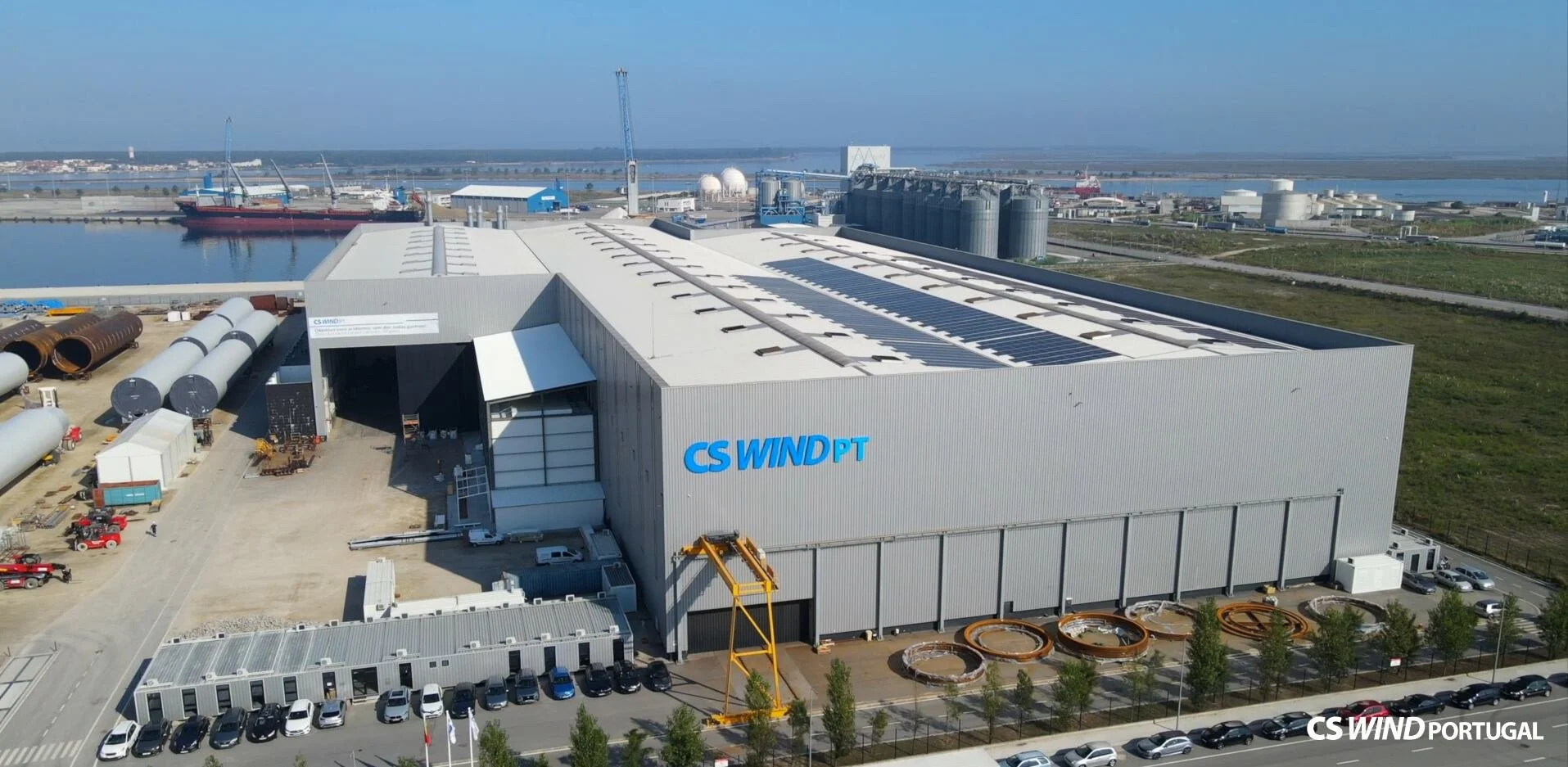
CS WIND Canada in Windsor operates from a 245,000‑sq.‑ft. converted industrial building plus a new 95,793‑sq.‑ft. plant for blasting, painting and assembly, along with a heavy‑duty storage yard and on‑site rail transfer system.
A wind‑turbine parts plant in Port Weller runs a 100,000‑sq.‑ft. fabrication shop to produce concrete tower sections and supports up to 200 positions.
TSP Canada Towers invested about C$25 million to convert a former auto‑parts plant in Thorold into a tower manufacturing facility, initially employing around 150 people with potential to grow to 250.
These examples highlight two key points: very large clear‑span buildings, plus large outdoor yards designed for extremely heavy pieces and cranes.
2. Choosing the Right Land in Ontario for a Wind Tower Plant
2.1. Location Strategy: GTA West and Beyond
For wind tower manufacturing and other custom plants, sites in and around:
Mississauga
Brampton
Caledon
Oakville
Milton
Guelph
Hamilton / Niagara
offer a strong mix of 400‑series highway access, industrial zoning, rail links and proximity to the U.S. border and Ontario’s wind farms.
Key land selection criteria:
Industrial zoning (M2 / M3 / Heavy Industrial) – Municipalities in Ontario typically classify manufacturing in medium (M2/IM) or heavy industrial (M3/IH) zones, which accommodate larger buildings, higher noise levels and heavy truck traffic.
Good highway access – Direct connections to Highways 401, 403, 407, 410, 427 or QEW are critical for transporting tower segments and heavy machinery.
Rail or port proximity (when possible) – Projects like CS WIND integrate on‑site rail systems and heavy‑duty concrete aprons designed specifically to move 80‑ton turbine sections with 52‑ton forklifts. Sites near the Great Lakes or St. Lawrence Seaway can support barge or vessel shipments.
2.2. Land Size and Yard Planning
Existing Ontario wind‑tower plants show typical enclosed building footprints between 100,000 and 250,000 sq. ft. plus significant outdoor storage and circulation areas. For planning purposes:
Enclosed production and finishing buildings (fabrication, blasting, painting, assembly) can easily exceed 100,000 sq. ft. per phase.
Outdoor storage yards must handle long tower sections, heavy forklifts, rail transfer lines and abnormal‑load trucks, often over multi‑acre sites.
Heavy‑duty pavements and reinforced aprons are essential, similar to the turbine rail transfer systems and storage yards engineered for 80‑ton sections and 52‑ton forklifts in Windsor.
In practice, developers should expect to combine:
One or more large high‑bay buildings
A dedicated blasting/painting building
A finished‑goods storage yard
Laydown areas for steel plate, jigs, fixtures and sub‑components
Adequate truck staging, weigh‑scale and security points
HKC Construction supports clients during due diligence to confirm that candidate parcels in Mississauga, Brampton, Caledon, Oakville, Guelph or elsewhere in Ontario can actually handle these uses from setbacks and height limits to truck turning radii and rail alignment.
3. Ontario Zoning and Height Rules for Industrial Buildings
A wind tower plant is not a typical warehouse. Tower sections are long, heavy and tall, so ceiling heights, crane clearances and zoning height limits matter.
3.1. Typical Industrial Height Limits
Ontario municipalities regulate maximum building height in their zoning by‑laws. For many Ontario jurisdictions, typical industrial height bands look like this:
Light industrial: about 10–15 m (roughly 35–50 ft)
Medium industrial: about 15–25 m (roughly 50–80 ft)
Heavy industrial: often 25 m or more (80+ ft)
Mississauga, for example, uses performance‑based zoning in some areas and offers streamlined approvals for pre‑approved industrial building types, with sustainability requirements for new construction. For very tall or specialized facilities such as wind tower segments, turbine test halls, or large crane bays sites zoned for heavy industrial use are often the safest route.
3.2. Setbacks, Buffers and Neighbouring Uses
Typical patterns across Ontario industrial zones include:
Setbacks from property lines of roughly 6–15 m in medium industrial zones
Larger setbacks and buffer zones in heavy industrial zones, particularly next to residential or environmentally sensitive lands
Special restrictions near airports, heritage districts or flood plains, which can further limit height or dictate additional design features
When HKC Construction reviews potential sites, zoning and setback checks happen early, so the intended building footprint, height and storage yard are compatible with the municipal zoning envelope without costly redesigns.
4. Ontario Building Code and Industrial Plant Classification
Once land and zoning are confirmed, the next layer is Ontario Building Code (OBC) compliance.
4.1. Building Size and Part 3 of the Ontario Building Code
Under the OBC, large industrial buildings are usually governed by Part 3, not Part 9. Training materials aligned with the Code note that low and medium hazard industrial occupancies move into Part 3 when the building area exceeds 600 m² or the building height is more than three storeys. Wind tower and heavy manufacturing facilities sit far beyond those thresholds, so they are firmly in Part 3 territory.
Part 3 addresses:
Fire protection and life safety systems
Fire separations and construction types
Exiting, travel distances and occupant load
Firefighting access and water supply
4.2. Storage Heights and Rack Systems
Wind tower plants and advanced manufacturing facilities often use high‑bay storage for tools, parts and supplies. The OBC specifies that shelf and rack storage systems are intended only for storage and distribution—not for production or office use—and cannot exceed 24 m in height in most cases. High‑hazard industrial occupancies are prohibited from incorporating shelf and rack storage systems.
This may sound academic, but it influences how a building is laid out—for example, where high‑bay racking is acceptable versus where production lines or painting booths must be located.
4.3. Worker Safety and Working at Heights
Ontario’s Regulation for Industrial Establishments (Reg. 851) and guidelines on working at heights apply to both construction and ongoing operations. Provincial guidance requires that elevated work platforms operate only on strong, stable, level surfaces, and that any modifications or unconventional use are engineered and approved.
For high‑bay production plants with overhead cranes, platforms and tall towers, the structural design of floors, mezzanines and platforms has to support these safety rules. COR‑certified contractors and their safety culture become vital at this stage.
5. Designing the Building Shell for Wind Tower Manufacturing
5.1. Clear Heights, Cranes and Door Openings
Wind tower plants need:
Very high clear heights in fabrication bays: enough for rolling and welding long shell sections under cranes and jigs, and to rotate large cylindrical segments safely.
Bridge or gantry cranes running the entire length of production bays, with carefully engineered crane beams, runway girders and foundations.
Extra‑wide and extra‑tall overhead doors to move complete tower sections out of the building. On Ontario projects, conversions have required new large overhead doors specifically so “massive towers” can exit the building.
Zones for blasting and painting may be housed in separate enclosed buildings, as seen at CS WIND’s Windsor facility where a dedicated 95,793‑sq.‑ft. plant handles air blasting, painting and assembly, connected by a transfer system.
5.2. Structural Floors and Machine Foundations
Tower rolling and welding machines, automated cutting lines and robotic welding stations impose heavy static and dynamic loads. Typical design responses include:
Continuous reinforced concrete foundations under rolling mills and presses
Vibration‑controlled machine pads for precision operations
Heavy‑duty floor slabs to support forklifts, tower sections and cranes without settlement or cracking
At the Windsor wind‑tower plant, the storage yard and transfer system were specifically engineered to handle 80‑ton tower sections and a 52‑ton forklift. Similar loading conditions influence slab thickness, rebar density and subgrade preparation for both interior floors and exterior aprons.
5.3. Building Envelope and Environmental Controls
Wind towers often require tight tolerances and high‑quality coatings:
Building envelope: insulated wall and roof systems with controlled interior climate help maintain welding quality and paint curing conditions.
Dust and fume control: localized ventilation for cutting, welding, blasting and painting, routed through filtration and, where required, emissions control equipment.
Noise control: envelope and interior treatments adjusted to meet municipal noise bylaws, especially near mixed‑use or residential areas.
HKC Construction coordinates the structural and architectural design with process engineers so that tower production equipment, cranes, and finishing lines are treated as an integrated system rather than bolt‑ons.
6. Storage, Yards and Heavy Logistics Design
6.1. Raw Material and In‑Process Storage
Wind tower, turbine and heavy industrial plants demand different storage strategies than typical logistics warehouses:
Steel plate and sections – Need organized laydown with magnetic or clamp crane access, not just pallets.
Jigs and fixtures – Large, sometimes permanent installations require dedicated floor space.
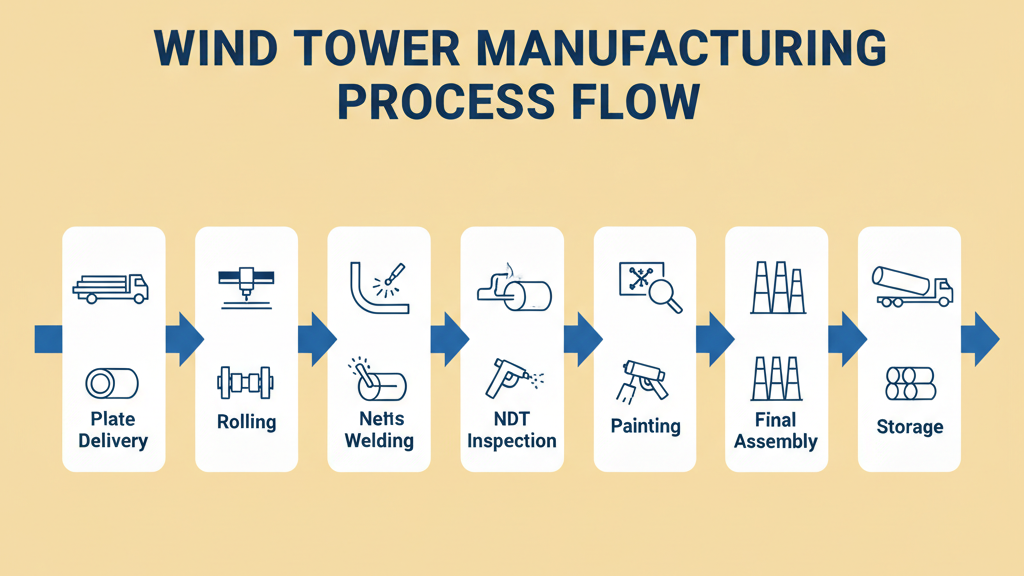
In‑process tower segments – Must be staged in secure positions between rolling, welding, NDT inspection, blasting, painting and final assembly.
The OBC’s separation of production and rack storage uses means high rack areas are designed distinctly from production lines. Racking is reserved for parts, consumables and smaller assemblies, while tower cans and major components are kept in cradles and saddles, often at floor level.
6.2. Finished Goods Yards and Site Circulation
Real Ontario wind‑tower sites highlight best practices:
Dedicated storage yards built with reinforced pavements for very heavy loads, as at CS WIND in Windsor.
Rail transfer systems or internal rail spurs for moving tower sections efficiently between production buildings and loading areas.
Truck circulation loops that can handle oversized “abnormal” loads, limiting tight turns and ensuring safe egress to major roads.
In regions like Caledon, Brampton and Guelph, yard design must also address winter operations snow storage, drainage, and de‑icing compatible with heavy equipment.
7. Regulatory and Environmental Requirements in Ontario
Beyond the Building Code and zoning, several approvals typically apply to a wind tower or heavy manufacturing plant in Ontario:
Municipal site plan approval – Covers building placement, landscaping, parking, access, grading and stormwater.
Building permit – Confirms compliance with OBC Part 3, structural design, fire protection, exiting and other technical requirements.
Environmental compliance – Depending on processes, environmental assessments or environmental compliance approvals (ECAs) may be required for emissions (dust, VOCs from painting), noise, and stormwater management. Heavy industrial uses often trigger more extensive review, as indicated by heavy‑industrial zoning notes highlighting environmental assessments.
Occupational health and safety – Compliance with provincial regulations for industrial establishments and working at heights, with careful attention to crane operations, platforms and fall protection.
HKC Construction works with mechanical, electrical and environmental consultants to align building design with these approvals critical for keeping schedules on track in municipalities like Mississauga, Brampton, Caledon, Oakville and Guelph.
8. Clean‑Energy Tax Credits and Project Economics
The economics of building a new plant are changing because of federal clean‑economy tax credits:
The Clean Technology Manufacturing Investment Tax Credit (CTM ITC) provides a refundable tax credit of up to 30% of eligible capital costs for equipment used to manufacture clean‑technology components, including those for wind turbines, from January 1, 2024 to December 31, 2034.
Additional clean‑economy ITCs for clean technology, clean hydrogen and carbon capture mean nearly $100 billion in refundable tax credits are now built into Canada’s tax system to support sustainable manufacturing.
For wind tower, turbine component, EV supply‑chain, or other clean‑energy facilities, these programs can significantly improve project ROI. Designing buildings and processes upfront to qualify for these credits is often more efficient than retrofitting later.
HKC Construction collaborates with owners, tax advisors and equipment vendors to ensure building design supports eligibility for example, with appropriate electrical infrastructure, equipment layouts and integration of clean‑technology systems.
9. Applying These Principles Beyond Wind: Aviation, Turbines, Nuclear, Mining, Steel, Space & Defence
Although this article focuses on wind towers, the same construction principles apply to many advanced manufacturing sectors:
9.1. Aviation and Aerospace Manufacturing
Aircraft structures, landing gear, engine components and space hardware require:
High‑bay production halls with overhead cranes
Clean assembly areas with controlled temperatures and humidity
Precision machine foundations and vibration control
Specialized test cells (e.g., engine run‑up, structural test rigs)
The heavy‑duty slabs, cranes and high ceilings needed for wind towers are directly relevant to aircraft and aerospace part production, especially in the Greater Toronto and Hamilton area.
9.2. Oil & Gas, Hydropower, Steam and Gas Turbines
Plants producing pressure vessels, turbines, heat exchangers and large piping assemblies typically share:
Long assembly bays with high‑capacity cranes
Blast and paint shops with strict environmental controls
High‑pressure test bays with reinforced containment and safety clearances
Outdoor laydown for large skids and modules
Wind tower plant layouts fabrication, blast/paint, assembly, storage yards—map closely to these needs.
9.3. Nuclear Power, Mining and Steel Mills
For nuclear components, mining equipment and steel‑mill assemblies:
Codes often require heightened quality assurance, traceability and, sometimes, nuclear‑specific standards for materials and workmanship.
Facilities may integrate shielded test cells, heavy radiation‑shielding walls, or enhanced security and access control.
Mining and steel clients often require very heavy floor loadings, rail access and bulk‑material handling systems.
HKC Construction’s experience with heavy industrial detailing—thick slabs, massive foundations, crane runways and storage yards—translates directly to these sectors.
9.4. Defence and Military Manufacturing
Defence and military projects introduce:
Additional security, IT and access control requirements
Sometimes specialized test ranges or firing/test cells
Enhanced blast resistance or redundancy for critical facilities
The base industrial shell remains similar: high bays, cranes, robust yards and process‑ready infrastructure.
11. Why Manufacturers Choose HKC Construction for Custom Plants in Ontario
For investors or manufacturers planning a wind tower or other advanced manufacturing facility in Mississauga, Brampton, Caledon, Oakville, Guelph or anywhere in Ontario, choosing the right general contractor is as important as choosing the right site.
HKC Construction offers:
Specialization in commercial and industrial projects – Deep experience with high‑bay warehouses, manufacturing plants and custom industrial shells that must integrate cranes, heavy equipment and complex processes.
COR safety certification – Demonstrated commitment to industry‑leading health and safety management systems, aligned with Ontario’s regulations for industrial establishments and working at heights.
Full lifecycle support – Assistance from early site selection and concept design through permitting, tendering, construction and commissioning.
Design‑build and construction‑management delivery – Collaborative approaches that align building design with specialized manufacturing equipment and clean‑technology tax‑credit requirements.
Local expertise in Ontario municipalities – Familiarity with zoning, site‑plan requirements, and building‑permit processes in cities like Mississauga, Brampton, Caledon, Oakville and Guelph, reducing risk of delays.
Manufacturers considering wind towers, aviation components, turbines, nuclear equipment, mining machinery, steel‑mill components, space and defence hardware, or other specialized products can rely on HKC Construction to deliver facilities that meet Ontario’s codes, unlock clean‑economy incentives, and support safe, efficient, long‑term operations.
12. Next Steps for Your Wind Tower or Advanced Manufacturing Plant
To move from concept to concrete:
Define your product and throughput – Tower sizes, annual volume, component mix, or equivalent for turbines, aviation, nuclear, etc.
Engage a general contractor early – HKC Construction can help build the business case by aligning building, land and process assumptions with Ontario zoning and OBC requirements.
Screen candidate sites – Shortlist sites in Mississauga, Brampton, Caledon, Oakville, Guelph and other Ontario industrial hubs based on zoning, height limits, yard potential and logistics.
Integrate incentives and ESG goals – Ensure the building and equipment layouts support eligibility for CTM ITC and other clean‑economy credits while meeting environmental and community expectations.
Develop a phaseable master plan – Start with a core building and yard sized for current demand, but designed to expand as orders grow.
For organizations prepared to lead in clean energy and advanced manufacturing, Ontario offers both the market and the policy support. HKC Construction provides the construction expertise to turn that opportunity into a safe, efficient, future‑ready plant.
